
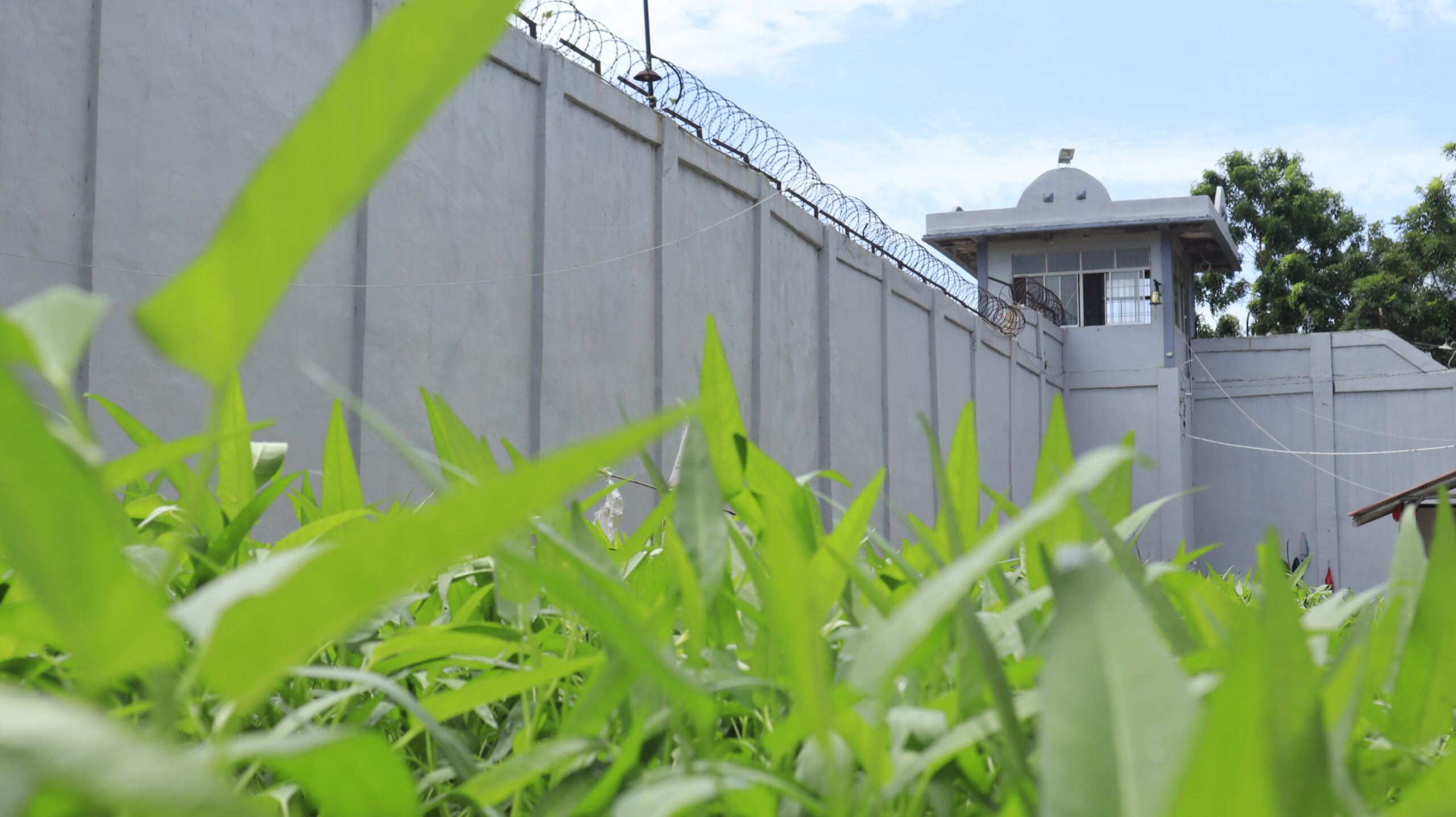
In the public imagination, “prison food” often evokes trays of bland and heavily processed meals that lack nutritional quality. Unfortunately, this stereotype reflects reality in many prisons today. Reports from advocacy groups describe ongoing problems with unsafe, ultra-processed food in correctional facilities, contributing to poor health outcomes and emotional distress. At the same time, the United States continues to have persistently high incarceration and recidivism rates.
In response, a growing number of prison farm initiatives, garden programs, and justice-oriented food partnerships are using agriculture to support rehabilitation, build skills, and increase access to fresh and local foods inside and outside correctional settings.
The Broader Context of Prison Agriculture and Labor
While many rehabilitative gardening and farming programs focus on education, food justice, and reduced recidivism, it is also important to acknowledge the larger landscape of prison labor. According to one research project, by some estimates roughly 30,000 incarcerated individuals work in farming or other food-related jobs, including labor for large industrial producers such as Foster Farms and Dairy Farmers of America.
This figure highlights that incarcerated people are a significant labor force in the U.S. food system. In many cases, these jobs are not part of rehabilitative programs and pay little to nothing, and the food produced may not benefit those doing the work. This is a direct echo of the legacy of slave labor that built the economic and political capital of the United States. Understanding this broader context helps illuminate the differences between exploitative labor practices and rehabilitation-focused agriculture programs.
Why Agriculture and Rehabilitation Belong Together
A substantial body of research shows that educational and vocational training programs significantly reduce the likelihood of returning to prison and improve employment outcomes. According to the Center for American Progress:
- People who participated in correctional education were 43 percent less likely to return to prison compared with those who did not.
- Every dollar spent on prison education produces an estimated four to five dollars in savings on incarceration costs in the three years after release.
The Center for American Progress also found that post-release employment rates were 13 percent higher for people who participated in academic or vocational education programs and 28 percent higher for those who completed vocational training. These findings underscore the value of well-structured educational and skills-building programs in correctional settings.
Agricultural programs align with these goals by providing hands-on training, structured daily routines, and opportunities for participants to develop competencies that can lead to future employment.
Types of Prison Farm and Garden Programs
1. On-Site Gardens and Greenhouses
Many correctional facilities operate garden and greenhouse projects where incarcerated people grow produce that can be used in prison kitchens and sometimes donated to community food programs. The GreenHouse program at Rikers Island in New York is one example of a horticulture initiative that combines plant science education with therapeutic work. The GreenHouse is one of the nation’s longest-running and most comprehensive horticulture-based rehabilitation initiatives in a jail setting, developed by the Horticultural Society of New York (The Hort) in partnership with the New York City Department of Correction and Department of Education. The curriculum is led by trained horticultural therapists and instructors, and it emphasizes not only technical skills like soil preparation, propagation, and landscape design, but also stress management, emotional regulation, and community building through shared work. Many participants describe the garden as one of the few places inside the jail where they feel a sense of freedom, dignity, and connection to the outside world.
2. Horticulture-Based Rehabilitation Programs
Land Together, formerly known as the Insight Garden Program, runs a comprehensive horticulture-based rehabilitation and healing initiative inside multiple California state prisons. The program engages over 450 participants each year across nine facilities, including medical prisons and women’s institutions, in a structured 48-week curriculum that blends ecological literacy with personal growth and community building. The curriculum moves through four major learning arcs: understanding human connection to nature and community, hands-on training in permaculture, landscape design, and environmental stewardship, focused work on emotional wellbeing and trauma healing, and preparation for reentry with life skills, leadership development, and advocacy training. With gardens co-designed and maintained by participants, these spaces function as restorative sanctuaries and dynamic living classrooms, teaching participants not only gardening skills but also mindfulness, effective communication, conflict resolution, financial literacy, and goal setting. In addition to the in-prison work, Land Together supports reentry and leadership development, helping former participants become environmental, food, and restorative justice advocates in their communities.
3. Farm-to-Corrections Procurement Models
Some states partner with local farms to bring seasonal, regionally grown produce into correctional facility menus. These collaborations help strengthen local food systems while improving the quality and variety of fresh foods served.
4. Growing Justice: Indoor Farming for Food and Jobs
Growing Justice is an innovative program led by Impact Justice that combines fresh food production, climate-sensitive farming, and workforce development for incarcerated and formerly incarcerated people. It was created to address two interconnected challenges: the lack of access to healthy, fresh food in prison and the high unemployment rates that many people face after release.
Dual Purpose: Fresh Food and Job Skills
Growing Justice operates on a simple but powerful premise: food production in prisons should not only improve nutrition but also build real job skills that can lead to stable work after release. According to Impact Justice’s description, the initiative is designed to expand access to fresh, healthy food in facilities and in the lower income communities that many incarcerated people come from and return to.
The initiative uses indoor (also called vertical) farming technology, a type of controlled environment agriculture (CEA) that relies on hydroponics and artificial light to grow leafy greens and herbs in tight spaces with minimal environmental impact. These high-yield systems produce nutrient-rich crops year-round, overcoming the limitations of traditional agriculture in prison settings.
Job Training and Career Pathways
Growing Justice extends beyond food production by connecting training to meaningful career opportunities. Impact Justice partners with leading companies in the indoor farming and controlled environment agriculture (CEA) sector, such as Square Roots, City Roots, Agritecture, AmplifiedAg, and Skout Strategy, to create a pipeline to jobs for graduates of the training program. These companies are committed to hiring and supporting employees with a history of incarceration.
Recognizing that job training alone is not enough to overcome employment barriers, Growing Justice also collaborates with organizations like Honest Jobs and the Center for Employment Opportunities to support employers in hiring program alumni and providing wraparound support that includes onboarding and professional development.
In addition to the prison-based farms, the program includes a community-based vertical farm in Oakland, California. This site provides entry-level job training to select formerly incarcerated residents, offers full-time employment for some Growing Justice graduates, and expands access to fresh, healthy food in lower-income neighborhoods where such access is often limited.
5. Downeast Restorative Harvest: A Community Garden Partnership
Downeast Restorative Harvest (DERH), coordinated by Healthy Acadia, is a collaborative farm program in Maine involving the Washington County Jail, the Maine Department of Corrections, local educators, volunteers, and community members. The initiative grows vegetables, herbs, and fruits for use in the jail kitchen and for donation to local food assistance programs. Participants gain hands-on agricultural experience, build practical skills, and benefit from the physical and emotional wellness that comes with working outdoors and engaging with food systems.
Evidence on Rehabilitation Outcomes
Reduced Recidivism
Agricultural and garden programs are a form of vocational training. Research shows that education and skill development significantly reduce return-to-prison rates, and involvement in structured, purposeful work supports long-term rehabilitation goals.
Improved Employment Prospects
Programs that teach horticulture, greenhouse management, indoor agriculture, farm planning, or food distribution provide participants with transferable skills. These align with Center for American Progress findings that vocational training improves post-release employment outcomes.
Improved Mental Health and Wellbeing
Participants often describe garden and farm settings as spaces of calm and meaning, where they can reduce stress and build confidence. Being outdoors, caring for plants, and watching growth over time can support emotional stability and resilience.
Transferable Life Skills
Agriculture work builds responsibility, teamwork, time management, and problem-solving abilities. Participants learn how to follow systems and schedules, manage tools safely, and adapt to changing conditions—all useful in future careers and daily life after incarceration.
Improving Access to Fresh and Local Food
Programs that integrate food production into correctional environments can expand access to fresh, nutritious food for incarcerated individuals. When produce grown on-site is incorporated into kitchen menus, people in prison can benefit directly from the crops they help cultivate. Initiatives like DERH and Growing Justice extend this impact by strengthening connections to local food systems and community partners.
Ethical and Human Rights Considerations
While rehabilitation-focused agricultural programs strive to be positive and empowering, it is important to recognize that a larger system of prison labor exists in the U.S. Many incarcerated people work in farming or food-related jobs simply because the system requires or assigns them to that labor, often with minimal compensation and limited protections. This reality raises ethical questions about consent, compensation, labor rights, and the purpose of prison work overall.
Rehabilitative programs must be explicitly voluntary, fairly compensated, and grounded in respect for participants’ dignity in order to avoid replicating exploitative labor dynamics.
Principles for Effective Programs
Advocates and researchers emphasize that ethical and impactful agriculture programs in correctional settings must be grounded in a clear set of principles. Participation should always be voluntary, ensuring that individuals are not coerced into labor. Programs should provide fair compensation and maintain safe working conditions, treating participants with dignity and respect. The food produced should directly benefit incarcerated people by improving the quality and nutrition of their diets. In addition, successful programs integrate education and therapeutic components, combining skill development with opportunities for personal growth and healing. Strong connections to reentry services and job opportunities are also essential so that participants can translate their experience into stable employment after release. Finally, these programs must include systems of oversight and accountability to ensure transparency and prevent exploitation.
Growing More Than Food
Prison agriculture programs demonstrate how thoughtful design can combine job training, access to fresh food, and personal growth opportunities for incarcerated and formerly incarcerated people. These programs align with evidence that education and vocational skill development reduce recidivism and improve post-release outcomes.
At the same time, broader patterns of prison labor in food production underscore the need for clear ethical standards that prioritize rehabilitation over exploitation. When structured around dignity, choice, and real opportunities, agriculture programs can expand access to local and healthy food while helping participants build meaningful futures.