
What’s Hot: USDA Rolls Out $12 Billion in Emergency Aid as Farm Bill Stalls
In early December, the U.S. Department of Agriculture announced a $12 billion emergency assistance program for farmers, underscoring the growing instability of U.S. agricultural policy as Congress remains deadlocked over a new farm bill.
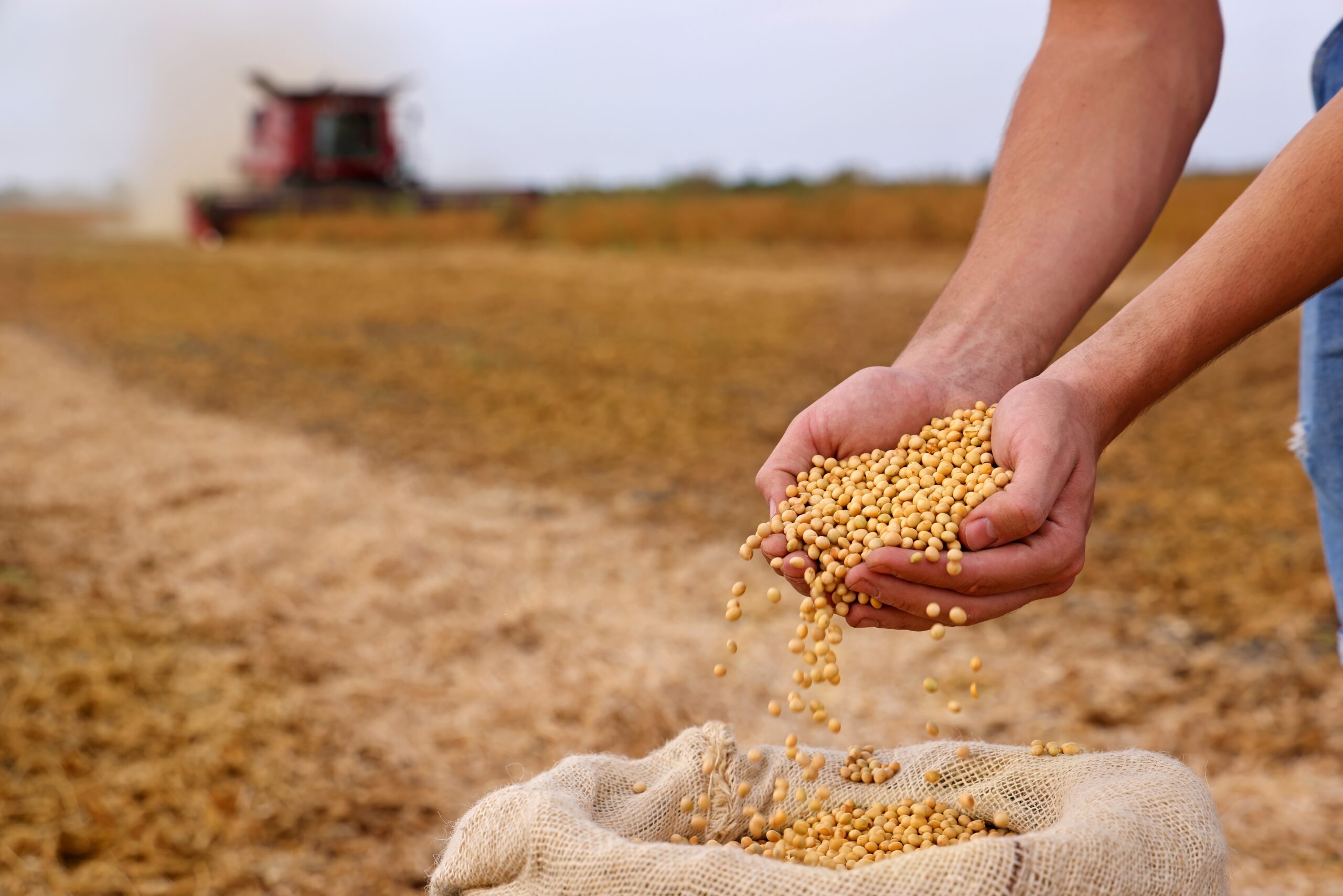
The Farmer Bridge Assistance Program is designed to provide short-term relief to producers facing falling commodity prices, high input costs, and continued trade disruptions. The funding targets major row crops such as corn, soy, and wheat, as well as specialty crops and sugar producers, with payments expected to begin early next year.
Supporters argue that the program is necessary to prevent farm bankruptcies and stabilize domestic food production amid prolonged legislative gridlock. With the current farm bill extended yet again, USDA officials framed the aid as a stopgap measure rather than a substitute for long-term policy reform.
Critics warn that the growing reliance on ad hoc bailouts reflects a deeper failure of agricultural policies. Rather than addressing structural issues such as consolidation, supply chain vulnerability, and climate problems, emergency payments risk becoming the default response to crises that Congress has repeatedly failed to resolve.
The December announcement, however, came with a notable caveat: USDA officials indicated that no additional rounds of emergency assistance are likely, increasing pressure on lawmakers to act in 2026.
Read More: What America’s New Farmer Bailout Means for the Food on Our Tables
Watchdog: Federal Judge Slows USDA Push to Reshape SNAP
Midway through December, a federal judge delivered a setback to the administration’s effort to rapidly overhaul the nation’s largest anti-hunger program by ordering the USDA to delay implementation of new SNAP eligibility and administrative requirements tied to immigration status. The ruling followed a lawsuit brought by more than 20 states and the District of Columbia, which argued that the new rules were being imposed on already overburdened SNAP agencies without adequate time for states to update their systems, train staff, or prevent eligible households from losing benefits as a result of paperwork errors. And they warned that the changes would disproportionately harm mixed-status families and children.
The court extended the compliance deadline into 2026, acknowledging concerns that rushed implementation could trigger widespread benefit disruptions. The decision came in the midst of broader federal pressure on states over SNAP administration, including threats to withhold funding from states accused of failing to cooperate with data-sharing demands. Advocates for SNAP say the administration’s aggressive posture reflects an exaggerated focus on fraud at the expense of food access, noting that the program’s error rates remain historically low.
December’s ruling does not resolve the legal challenge, but it temporarily slows a policy shift that could reshape the rules determining who qualifies for food assistance and how easily they can keep it.
Read More: USDA Must Give States More Time to Implement New Food Aid Restrictions
Quote of the Month:
“SNAP is designed to help people put food on the table with dignity — restricting choices undermines that mission.”
— Crystal FitzSimons, President, Food Research & Action Center (FRAC), on USDA’s December approval of new SNAP food-restriction waivers